
Bettors applying handicap strategies approach wagering with a level of sophistication that goes beyond simple guesswork. The foundation of handicap betting lies in creating balance where disparities exist, whether between teams, players, or competitors. In sports like football, basketball, or even eSports, a handicap essentially adjusts the perceived strength of the participants, giving bettors an analytical edge to assess risk and reward more precisely. Understanding this requires a grasp of both probability and psychology, as bettors must anticipate not only outcomes but also market movements and public perception.
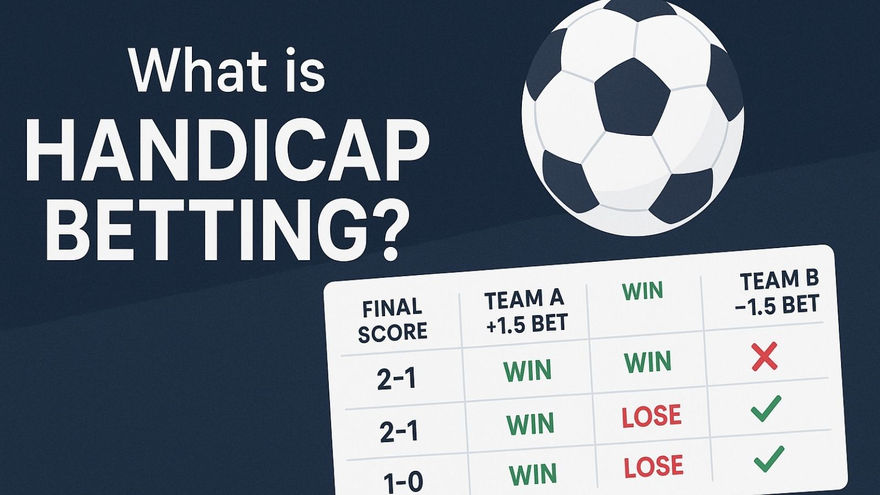
At its core, handicap betting is designed to eliminate the unevenness that naturally occurs in competitive scenarios. For instance, when a strong team faces a weaker opponent, straightforward betting often yields extremely lopsided odds, which are unattractive to those seeking a meaningful challenge. By applying a handicap, the stronger team may start with a theoretical deficit, or the weaker team may receive an advantage. This shifts the market closer to equilibrium, making the betting process more engaging and strategic. Bettors who master this balance can exploit inefficiencies in odds, finding value where casual punters may overlook subtleties.
One of the first steps in applying a handicap strategy is data analysis. Bettors examine historical performance metrics, including win-loss ratios, head-to-head statistics, scoring trends, and situational factors like home versus away performance. By evaluating these patterns, a bettor can estimate the realistic gap between competitors and gauge whether the offered handicap represents a fair adjustment. Advanced bettors may also incorporate predictive models, using algorithms to simulate match outcomes under various handicap scenarios. This analytical rigor transforms betting from an emotional reaction to a structured, probabilistic exercise.
Psychology also plays a significant role. Public perception can influence odds dramatically. If the general betting population heavily favors a popular team, the bookmaker may adjust the handicap to balance exposure, often creating opportunities for informed bettors to capitalize. Recognizing these tendencies requires emotional detachment and an understanding of market dynamics. Bettors must resist being swayed by popular sentiment and instead focus on the statistical underpinnings that suggest a more profitable course of action. In this sense, successful handicap strategies combine objective analysis with a keen sense of behavioral finance.
Timing is another critical factor in applying handicap strategies. Odds fluctuate constantly in response to market activity, injuries, lineup changes, and other situational developments. Savvy bettors monitor these shifts to identify moments when the market misprices a handicap, presenting an opportunity to wager at favorable odds. For example, a sudden injury to a key player may increase the handicap advantage for the opposing team, and early identification of this change can yield significant value. Effective application of handicaps requires attentiveness, agility, and the discipline to act when conditions align with one’s analytical assessment.
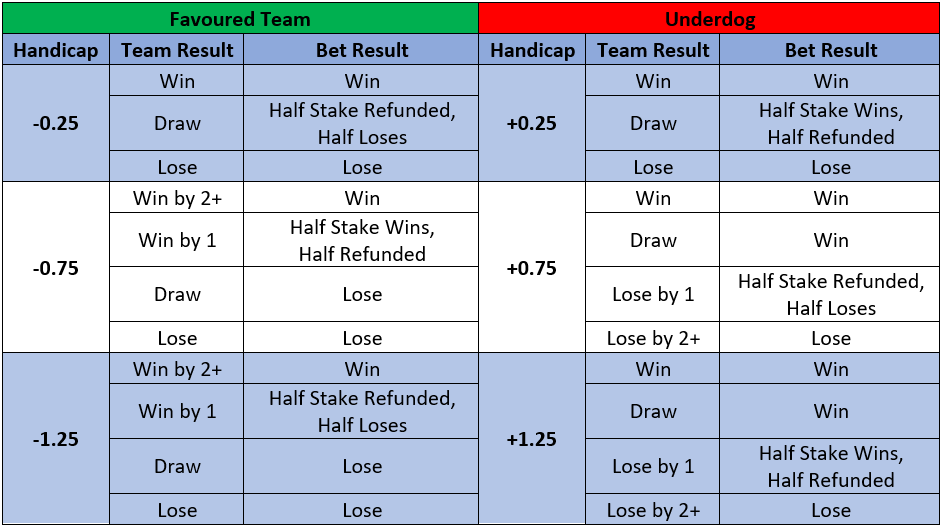
Different types of handicaps offer unique strategic considerations. Asian handicaps, for instance, remove the possibility of a draw, splitting the outcome into win, lose, or partial win/loss scenarios. This reduces variance and allows for more nuanced betting, appealing to those who prefer calculated risk over sheer luck. European handicaps, by contrast, maintain the traditional win-draw-lose framework but adjust scorelines to balance competitiveness. Bettors must understand the intricacies of each system to deploy strategies effectively, tailoring their approach to the structure and rules of the particular handicap market.
Bankroll management remains an essential element in the practical application of handicap strategies. No matter how precise the analysis, outcomes are never guaranteed, and variance can impact results over short periods. Bettors employ staking plans to ensure that losses do not disproportionately affect overall capital, allowing sustained participation and the ability to capitalize on future opportunities. Integrating bankroll discipline with handicap analysis creates a comprehensive strategy that mitigates risk while maximizing long-term profitability.
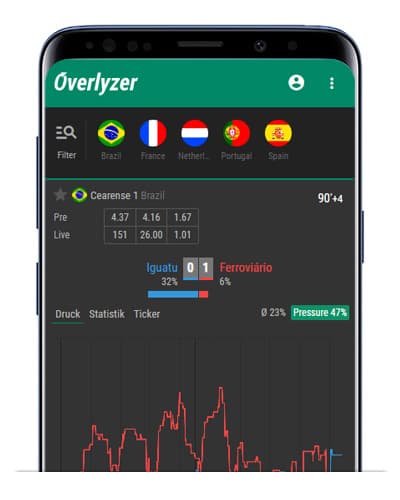
Moreover, bettors often combine handicap strategies with other analytical tools, such as live betting insights and in-play statistics. Observing the pace of a game, team dynamics, and momentum shifts can refine predictions, especially when handicaps are adjusted dynamically during a match. This approach demands real-time assessment and rapid decision-making, adding a layer of complexity that distinguishes professional bettors from casual participants. The ability to synthesize pre-game analysis with live developments is a hallmark of advanced handicap application.
Ultimately, the successful application of handicap strategies relies on a blend of knowledge, discipline, and adaptability. Bettors must understand the mathematics behind handicaps, interpret behavioral signals in the market, manage risk prudently, and remain responsive to evolving conditions. It is a continuous process of observation, evaluation, and adjustment. Those who master these elements gain an advantage, transforming handicap betting from a simple wager into a methodical, strategic pursuit. This combination of analytical rigor and psychological insight allows bettors to approach competitions with confidence, turning perceived disparities into opportunities for calculated, informed wagering.
By consistently applying these principles, bettors can exploit inefficiencies and make wagers that reflect true probabilities rather than superficial perceptions. Over time, disciplined execution of handicap strategies fosters not only better short-term results but also a sustainable approach to betting that balances risk and reward. The intersection of data analysis, market psychology, and adaptive decision-making illustrates why handicap strategies remain a cornerstone for those seeking to engage in betting with both intelligence and control.
Leave a Reply