
Betting markets are fascinating constructs that operate at the intersection of probability, psychology, and economics. They are not static; rather, they evolve continuously as new information becomes available and as the collective actions of participants shape outcomes. One of the most intriguing aspects of betting markets is their tendency to normalize over time, a phenomenon that ensures odds and prices reflect the most accurate assessment of probability possible at any given moment. Understanding how and why this normalization occurs requires an examination of the underlying mechanics of betting markets, the behavior of participants, and the structural forces that drive equilibrium.
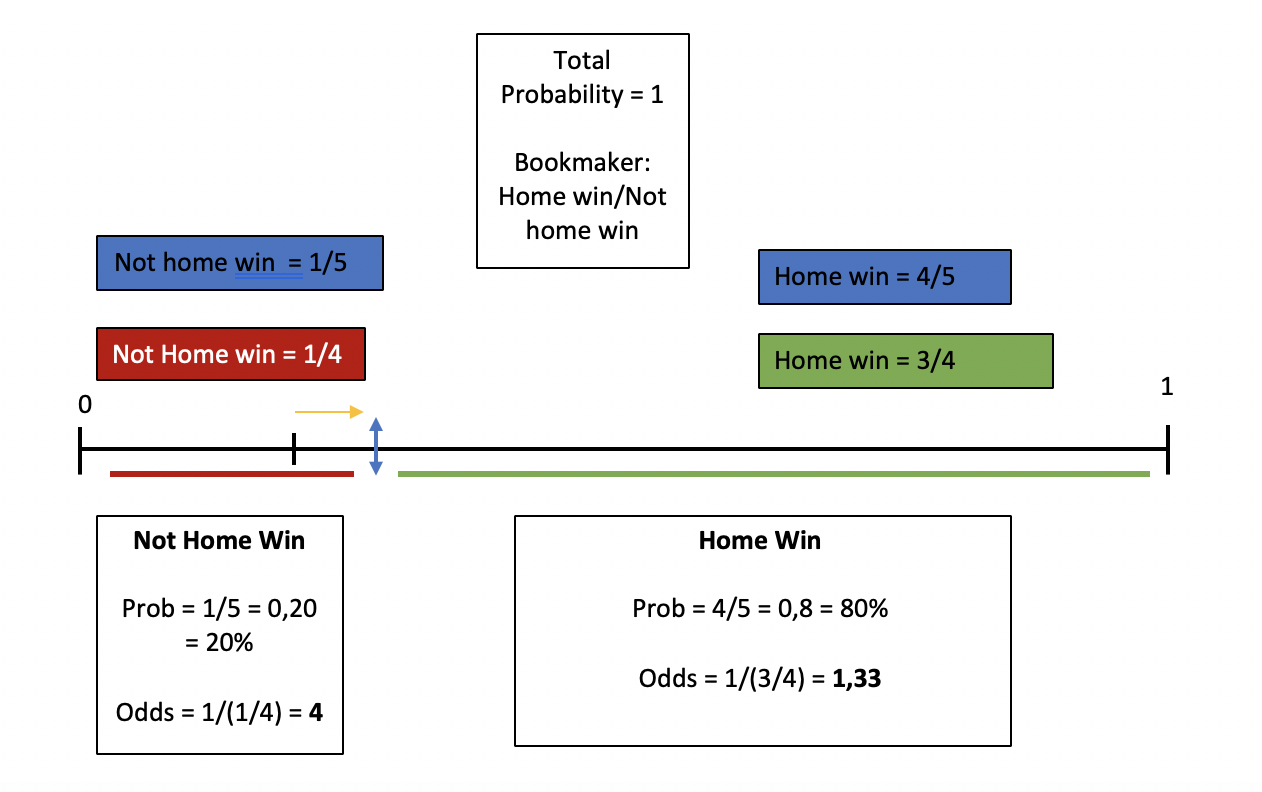
At the heart of any betting market lies the principle of odds setting. Bookmakers and exchange platforms initially establish odds based on available data, historical trends, and expert judgment. These opening odds represent an estimate of the probability of a particular outcome, adjusted to include the bookmaker’s margin or the platform’s fee. However, these initial figures are rarely static. As bettors place wagers, the distribution of bets signals perceived likelihoods and influences subsequent adjustments. If a large volume of bets accumulates on one outcome, the platform responds by adjusting the odds to manage risk, effectively balancing potential liabilities. This reactive mechanism is crucial because it encourages the market to converge towards an equilibrium that accurately reflects the collective knowledge of participants.
The normalization process is further reinforced by information flow. Betting markets are highly sensitive to news, statistics, injuries, weather conditions, and other factors that may affect an event’s outcome. When such information enters the market, it triggers rapid reassessments by both casual and professional bettors. In turn, bookmakers adjust odds to reflect these new probabilities. Over time, this iterative process ensures that the market integrates available information efficiently. Markets that absorb and act upon information quickly tend to normalize faster, producing odds that more accurately mirror the true probability distribution. This phenomenon is closely related to the concept of market efficiency in financial theory, where prices of assets reflect all known information.
Another factor contributing to normalization is the diversity of participants. Betting markets are composed of a heterogeneous mix of individuals and institutions, each with varying levels of expertise, risk tolerance, and strategies. Some participants focus on statistical models, others rely on insider knowledge, while casual bettors may be influenced by trends or public sentiment. This variety creates a self-correcting dynamic: overvalued or undervalued odds attract informed bettors, whose wagers exert pressure on the market to adjust accordingly. In essence, the market arbitrages away discrepancies, as those who perceive mispricing exploit them until equilibrium is restored. The presence of skilled, knowledgeable bettors acts as a stabilizing force that accelerates normalization, particularly in highly liquid markets where large volumes of bets can shift odds quickly.
Time itself is a critical element in normalization. As an event approaches, uncertainty diminishes, and the amount of relevant information increases. Early in the betting lifecycle, odds are often more volatile, reflecting speculation and limited knowledge. As more data emerges—team lineups, recent performance, injury reports—the market recalibrates, reducing volatility and narrowing spreads. This gradual convergence is a natural consequence of information aggregation: the closer to the event, the more complete the picture, and the more normalized the market becomes. Additionally, the time factor interacts with liquidity. High liquidity allows odds to adjust more smoothly and accurately as new information is absorbed, while thin markets may experience delayed normalization due to insufficient betting volume to correct discrepancies.
The structure and rules imposed by platforms also contribute to market normalization. Many betting platforms employ algorithms designed to automatically balance risk and adjust odds in response to betting patterns. These systems monitor exposure and adjust pricing to ensure that no single outcome disproportionately threatens the bookmaker’s position. By systematically aligning odds with current market conditions, platforms reduce the likelihood of persistent mispricing. Furthermore, regulatory oversight in many jurisdictions enforces transparency and fairness, discouraging manipulation and promoting integrity. These structural features create an environment where markets naturally trend toward normalization as part of the operational framework.
Psychology plays a subtler but no less important role. Human behavior is often influenced by cognitive biases, herd mentality, and emotional responses, which can temporarily skew betting patterns. Public sentiment, celebrity endorsements, or media hype may lead to over-betting on a popular choice, creating inflated odds. Nevertheless, such deviations are usually short-lived. Informed participants recognize the misalignment and place countering bets, gradually pulling the market back toward equilibrium. This interplay between emotional impulses and rational correction is a hallmark of how betting markets self-regulate over time.
Normalization also manifests in the convergence of odds across different platforms. In an interconnected betting ecosystem, discrepancies between operators attract arbitrage opportunities. Savvy bettors can place simultaneous bets on different platforms to exploit pricing differences. This activity forces platforms to align their odds more closely with each other to prevent financial exposure. As a result, odds across the broader market tend to converge, reflecting a shared understanding of probabilities and promoting consistency.
Finally, historical performance and feedback loops contribute to long-term normalization. Betting markets learn from patterns of past events, adjusting models and expectations based on outcomes. Platforms and professional bettors continuously refine their approaches, creating more accurate probability assessments over time. This iterative learning strengthens market stability, ensuring that, while short-term fluctuations are inevitable, the overall system consistently trends toward normalized odds reflective of real-world probabilities.
In summary, the normalization of betting markets is a complex, multifaceted process driven by information flow, participant behavior, liquidity, platform algorithms, regulatory frameworks, and psychological dynamics. It is a self-correcting mechanism where disparities in perception, knowledge, and emotion are gradually reconciled through the collective actions of market participants. Over time, as more information is incorporated and adjustments are made, the market reaches a state where odds accurately represent the probability of outcomes. This normalization not only ensures fairness for bettors but also maintains the integrity and stability of the betting ecosystem, making markets both resilient and reliable as instruments of probability assessment.




Leave a Reply