
Handicap betting, often associated with sports like football, basketball, and rugby, is a strategy designed to balance competition between two teams of unequal strength. Unlike traditional betting, where a bettor simply chooses the winner of a match, handicap betting introduces a point spread or goal adjustment to level the playing field. This adjustment reduces the impact of extreme outcomes, thereby lowering the variance in betting results and providing a more predictable framework for bettors who approach wagering analytically. By assigning a virtual advantage or disadvantage, the stronger team is handicapped while the weaker team receives an artificial boost, creating a scenario in which the probability of winning or losing a bet becomes more evenly distributed. This system appeals especially to those who are risk-averse or seek consistent, long-term betting strategies rather than relying solely on chance.
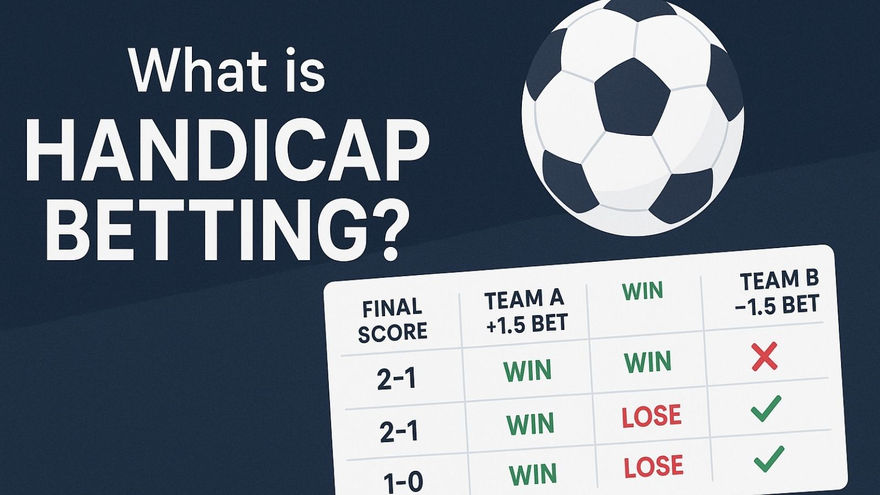
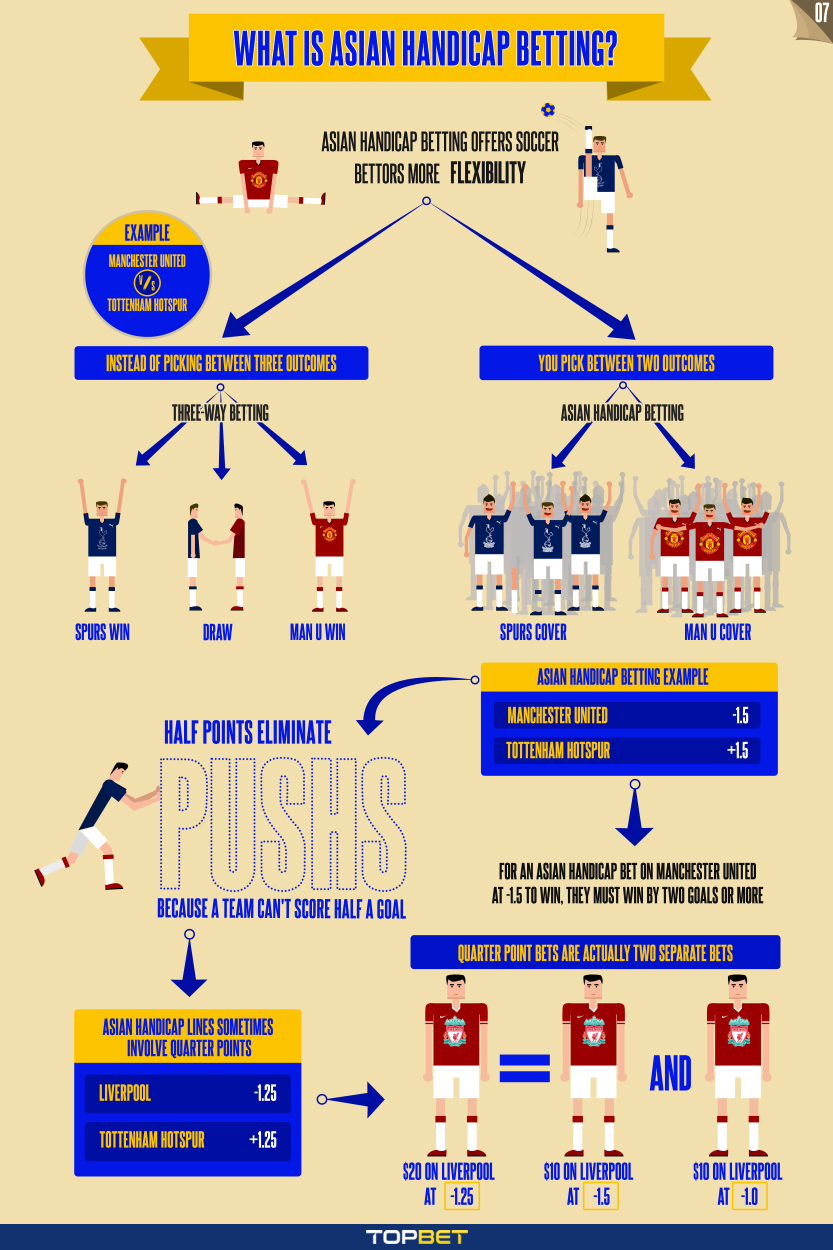
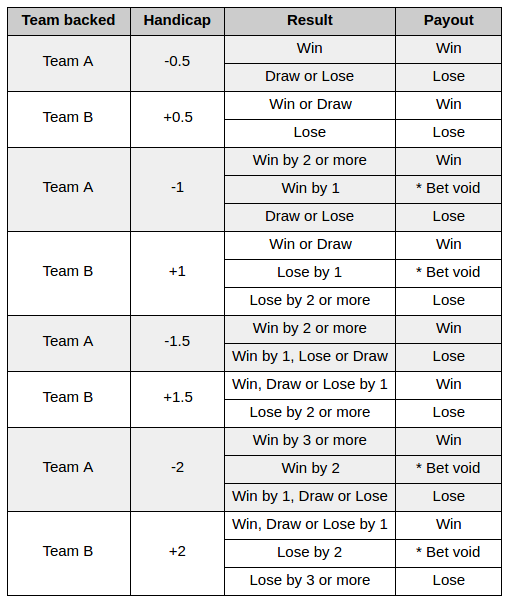
The key mechanism through which handicap betting reduces variance lies in the concept of adjusted outcomes. In a standard win/lose scenario, betting on a favored team can result in substantial payouts if the team wins, but the risk of a small upset carries significant downside. Conversely, betting on an underdog yields high returns if successful, but often suffers from frequent losses. Handicap betting moderates these extremes. For instance, in a football match where one team is heavily favored, a handicap might require the favorite to win by two or more goals for a bet on them to pay out. Meanwhile, the underdog may be granted a one or two-goal head start. As a result, the likelihood of either side covering the handicap becomes more balanced, reducing the volatility associated with a simple win/lose wager. Bettors face less exposure to the wild swings of unpredictable events, which is particularly valuable in sports where outcomes can hinge on a single play, injury, or referee decision.
Another dimension of variance reduction in handicap betting stems from the way odds are structured. Traditional betting odds are heavily influenced by perceived disparities in team strength, often resulting in lopsided payouts that exaggerate risk. Handicap lines compress these disparities by redistributing perceived probabilities across the adjusted outcome. This results in more balanced odds, where the potential returns are more proportionate to the risk involved. In effect, the bettor is less likely to encounter the extreme highs and lows that accompany bets on overwhelming favorites or extreme underdogs. A bettor who consistently applies handicap logic can thus expect a steadier performance of returns over time, a crucial consideration for those employing bankroll management strategies and attempting to mitigate financial swings associated with gambling.
The analytical nature of handicap betting also encourages bettors to engage more deeply with statistical data, team performance metrics, and historical patterns. Unlike simple moneyline bets, where intuition or fan loyalty can dominate, handicap betting rewards careful evaluation of scoring trends, defensive capabilities, injuries, and situational factors such as home advantage. This analysis allows for more informed decisions, reducing variance by shifting the basis of betting from chance to calculated risk. Bettors who study performance data can identify scenarios where a team consistently covers certain handicaps, even in matches where they are underdogs, further smoothing out the unpredictability that standard betting often entails.
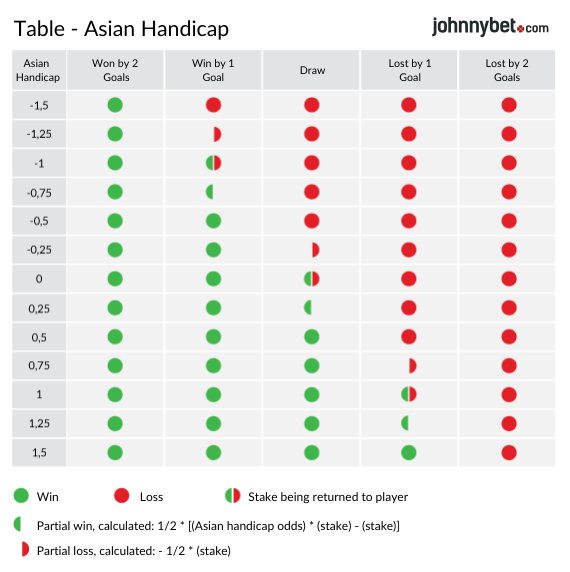
Additionally, handicap betting introduces the concept of partial outcomes in markets such as Asian handicaps. Unlike conventional handicaps, Asian lines may offer quarter or half-goal spreads, which effectively split a bet between two outcomes. For example, a handicap of +0.5 and +1 goal on an underdog can result in a half-win or push, rather than an outright loss, if the match ends in a narrow margin. These split outcomes reduce the all-or-nothing nature of traditional bets and allow for a more nuanced distribution of risk. By softening the impact of borderline results, Asian handicaps particularly exemplify how structured adjustments can moderate variance, giving bettors a buffer against the full force of unpredictability inherent in sports contests.
From a practical standpoint, this moderation of risk translates into a more sustainable betting strategy. Bettors who utilize handicap systems can better predict expected value over a series of wagers, which is essential for long-term profitability. Whereas traditional bets can result in sequences of wins and losses that swing wildly, the handicap approach smooths these fluctuations. Over multiple bets, the cumulative impact of reduced variance allows for more stable bankroll growth, minimizing the emotional strain and financial pressure that often accompany gambling. For professional bettors, sports analysts, or serious enthusiasts, this predictability is invaluable, turning betting from a speculative activity into one that rewards discipline and analytical rigor.
Moreover, handicap betting fosters a deeper understanding of probability and risk management. Bettors must calculate the likelihood of different outcomes relative to the handicap rather than simply assessing who will win. This approach inherently teaches a form of risk diversification. By engaging in multiple bets across varied handicaps or adjusting wager sizes in line with perceived risk, bettors can further reduce overall exposure to unpredictable swings. The discipline required to implement such a strategy often results in more measured decision-making and encourages the use of quantitative tools, further embedding variance reduction into the betting approach.
Handicap betting also benefits platforms and operators by creating more engaging and balanced markets. By providing betting lines that neutralize extreme mismatches, operators maintain bettor interest across a wider range of matches. This engagement not only ensures more stable participation but also indirectly reinforces variance reduction for individual bettors by promoting diverse betting opportunities rather than concentrated wagers on clear favorites or obvious outcomes. The widespread adoption of handicap betting in sports like football, rugby, and basketball is testament to its effectiveness in balancing risk and providing a fairer competitive environment, both for the bettor and the operator.
In summary, handicap betting reduces variance through several interconnected mechanisms. Adjusted outcomes, balanced odds, partial results, analytical engagement, and disciplined risk management all contribute to a smoother distribution of wins and losses. Bettors benefit from more predictable returns, improved long-term profitability, and enhanced opportunities to apply strategic thinking. By leveling the playing field between favorites and underdogs, handicap betting transforms the inherently unpredictable nature of sports into a structured, analytically-driven pursuit. Over time, this approach promotes responsible wagering, reinforces disciplined bankroll management, and fosters a deeper appreciation for probability, making handicap betting a cornerstone for those seeking to minimize the wild swings of conventional sports betting while maintaining excitement and engagement in the process.




Leave a Reply