
Handicap lines in betting, particularly in sports like football, basketball, and tennis, serve as a fundamental mechanism to balance betting exposure, offering both the bookmaker and the bettor a more level playing field. At its core, a handicap line is a way to adjust perceived disparities between competitors, allowing for more even odds and encouraging betting action on both sides of a contest. This system does not merely influence the numerical aspects of betting but also shapes strategies, risk management, and market behavior in significant ways.
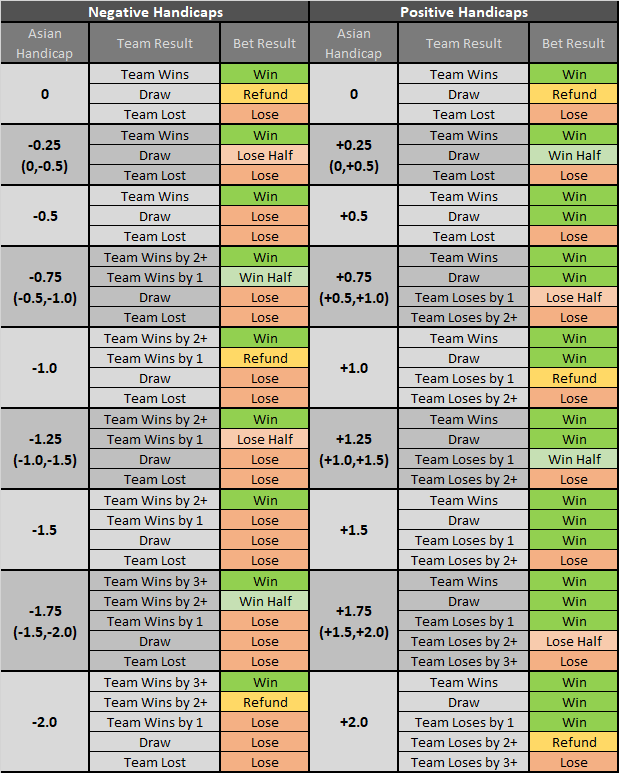
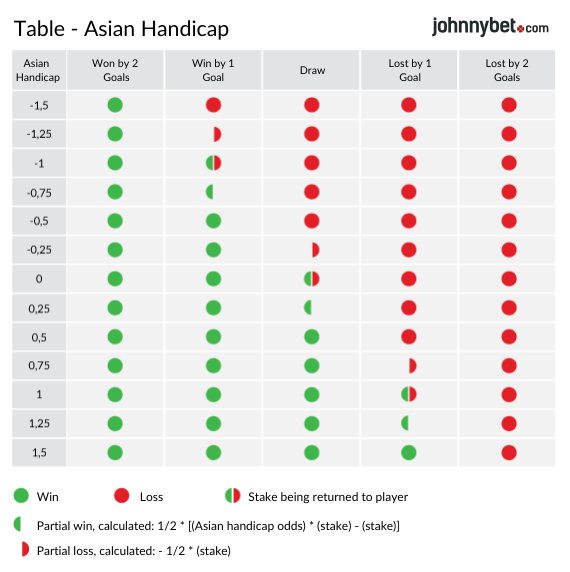
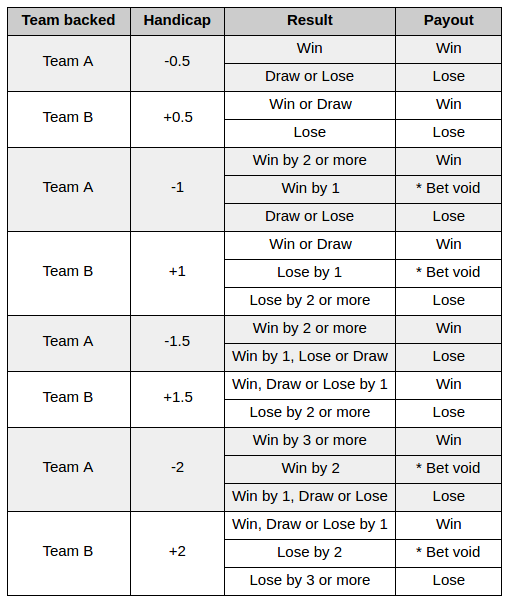
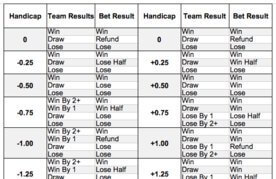
When setting a handicap, bookmakers analyze multiple variables: team or player form, historical performance, injuries, playing conditions, and other statistical indicators. These factors are distilled into a point or goal adjustment that offsets one competitor’s advantage. For instance, in football, a strong team might be given a negative goal handicap, such as -1.5, meaning they must win by at least two goals for a bet on them to succeed. Conversely, the weaker team receives a positive handicap, like +1.5, giving them a head start in betting terms. By creating this adjustment, the odds on each side are brought closer together, minimizing lopsided outcomes that could otherwise discourage betting interest on the underdog.
The effect of handicap lines on betting exposure is multifaceted. From the bookmaker’s perspective, these lines help distribute risk evenly. Without handicaps, betting on a dominant team might attract overwhelming public money, leading to unbalanced books where the operator could face substantial losses if that outcome occurs. By applying a handicap, the bookmaker can balance the amount of money wagered on each side, ensuring that their financial exposure is managed and that they can secure a margin regardless of the outcome. This approach is critical for maintaining long-term profitability and stability in a volatile betting market.
For bettors, handicap lines introduce a strategic dimension that goes beyond simply picking a winner. Bettors are required to assess not only which team or player is likely to win but also by how much or whether the underdog can remain competitive within the assigned handicap. This encourages more analytical thinking, as successful handicap betting often relies on deeper statistical insight and understanding of situational factors. For example, a football team might consistently win home games by a single goal, suggesting that a -1.5 handicap could be overly ambitious and that betting on the underdog with the +1.5 advantage might offer better value.
Handicap lines also contribute to market liquidity and competitiveness. By evening the odds, bookmakers make betting attractive to a broader range of participants, including those who might avoid contests with a clear favorite. This broader engagement reduces volatility in betting pools, as the money is more evenly spread across different outcomes. For larger sportsbooks, this balanced distribution of bets is vital for hedging strategies and for reducing the need to adjust lines frequently in response to heavy action on one side.
Another important aspect is the psychological effect on bettors. Handicap lines often make matches more engaging to wager on, even when the skill difference between competitors is significant. Bettors can find value in scenarios that might otherwise seem one-sided. For instance, in tennis, a top-seeded player may receive a -4.5 game handicap against a lower-ranked opponent. While the top player is expected to win, the betting challenge becomes whether they can cover the handicap, which introduces an element of suspense and strategy. This dynamic keeps bettors engaged and encourages repeated participation, which benefits both the operators and the betting ecosystem as a whole.
Moreover, handicaps can help mitigate extreme swings in exposure that occur during high-stakes or popular events. When major competitions attract large sums of money, an unbalanced book can lead to substantial risk for bookmakers. Handicap lines allow for fine-tuning that prevents excessive financial vulnerability. By adjusting the point spread in response to betting patterns, bookmakers can maintain equilibrium and reduce the likelihood of outsized losses from unexpected outcomes. This approach is also adaptive, as lines can shift dynamically in live betting environments, responding in real time to changing circumstances and market sentiment.
Bettors, in turn, benefit from the transparency and structure that handicap lines provide. The presence of a handicap clarifies expectations for performance differences between competitors, which allows for more informed wagering. Savvy bettors can exploit perceived misalignments between the line set by the bookmaker and their own analysis, identifying opportunities where the risk/reward ratio is favorable. In this sense, handicap betting is not merely about guessing the winner; it becomes an exercise in probability assessment, statistical reasoning, and strategic planning.
Additionally, handicap lines support the sustainability of betting markets by encouraging responsible risk management. For both the bookmaker and the bettor, they serve as a tool to moderate extremes. The bookmaker limits exposure, while the bettor must consider the margin by which outcomes must occur to achieve success. This dual function reinforces a sense of equilibrium in the market, ensuring that neither side is excessively vulnerable to unpredictable outcomes.
Ultimately, the use of handicap lines exemplifies how betting markets can achieve balance and fairness, even in inherently uncertain contests. By leveling disparities, managing risk, enhancing engagement, and promoting strategic analysis, handicap betting protects the financial stability of sportsbooks while offering bettors a richer and more nuanced betting experience. Whether through pre-match adjustments or in-play modifications, handicap lines remain a core instrument in balancing exposure, aligning incentives, and sustaining the integrity of sports wagering ecosystems.
Through careful application, these lines transform potentially lopsided competitions into compelling wagering opportunities that maintain interest, distribute risk, and reward analytical decision-making. As such, handicap lines are not just a statistical adjustment; they are a foundational element that harmonizes the complex dynamics of sports betting for all participants.



Leave a Reply