
Handicap odds are a central concept in modern sports betting, designed to balance the playing field between two teams or competitors of differing strengths. They serve a dual purpose: providing a more engaging betting experience for punters and allowing bookmakers to manage risk by leveling perceived disparities between opponents. At their core, handicap odds are about creating equilibrium, giving bettors the opportunity to wager on outcomes that are statistically more challenging yet potentially more rewarding, and reflecting the true competitive balance of a match.
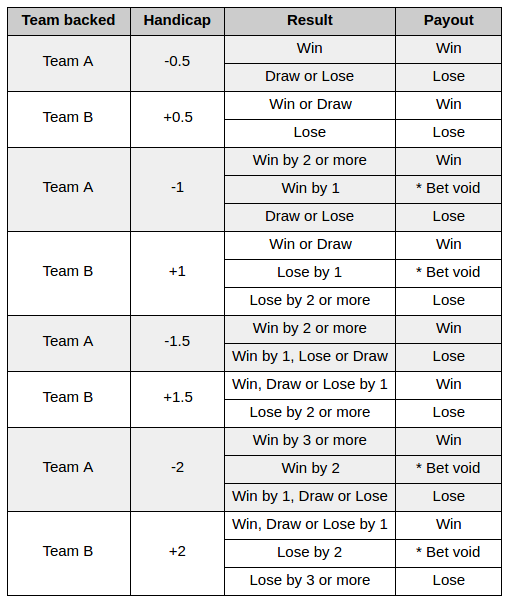
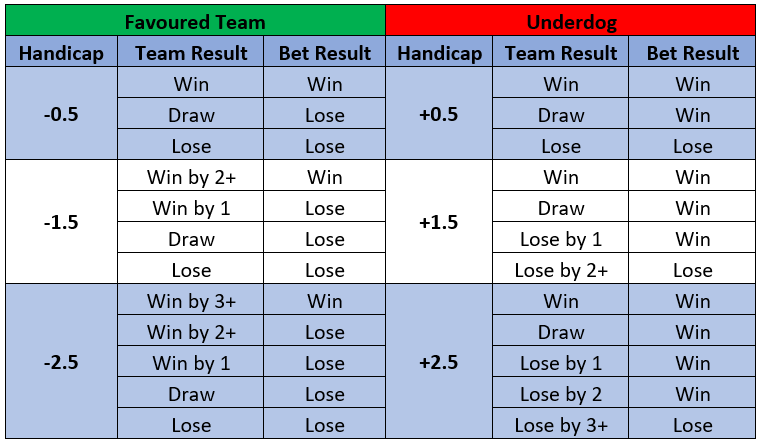
When considering a typical football or basketball match, there is often a clear favorite and an underdog. The favorite is expected to win, sometimes by a significant margin, while the underdog is seen as less likely to secure victory. Betting purely on match winners can lead to lopsided action, with the majority of wagers favoring the favorite. To mitigate this imbalance, bookmakers introduce handicap odds, effectively granting a virtual advantage or disadvantage to one of the teams. For example, a strong team might be assigned a negative handicap, meaning it must win by more than a specific margin for bets on them to succeed. Conversely, the weaker team may receive a positive handicap, providing a buffer that makes their betting odds more appealing.
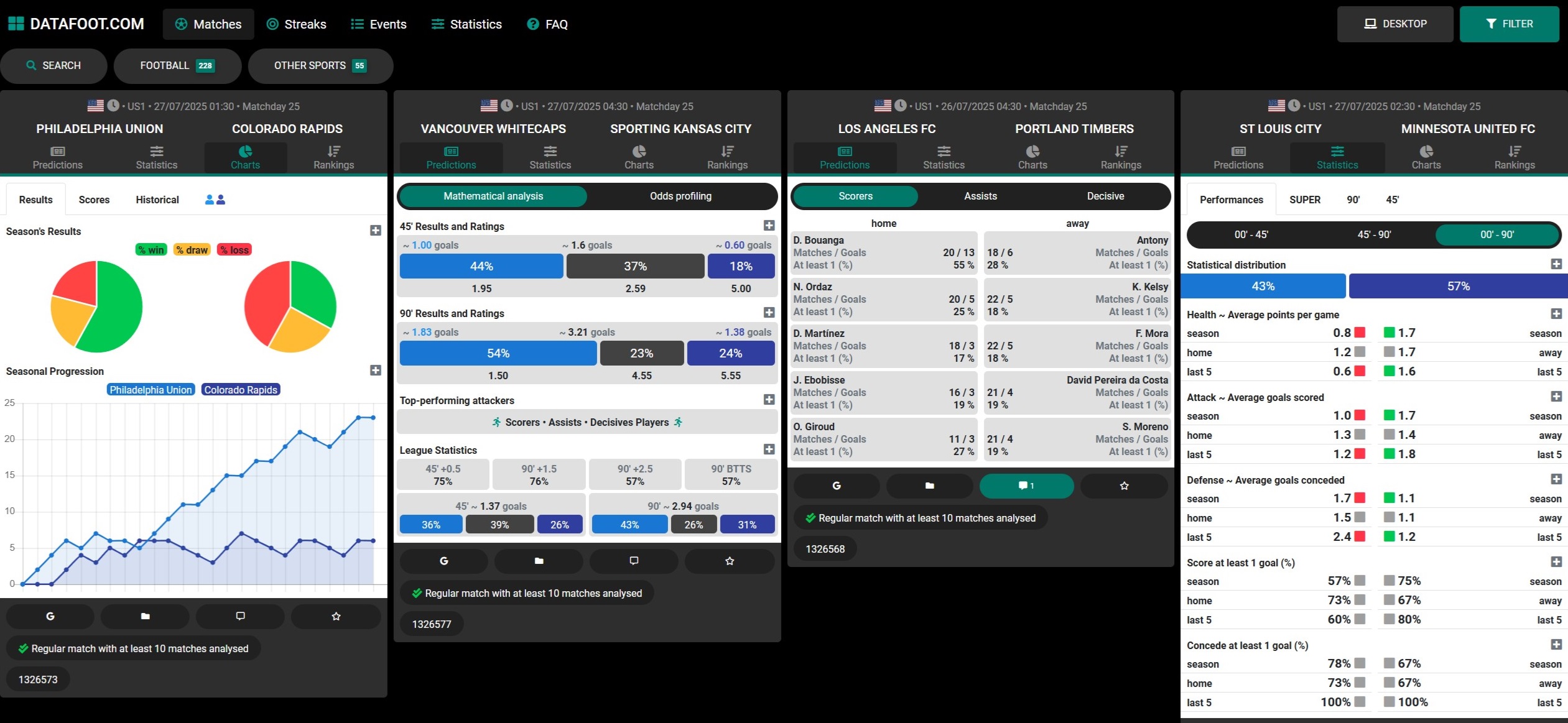
Handicap odds are calculated using extensive statistical analysis and historical performance data. Bookmakers examine team form, head-to-head records, player availability, home and away performance, and other variables to determine an appropriate handicap. The goal is not simply to make the bet more attractive but to reflect a realistic projection of match balance. A correctly assigned handicap creates scenarios in which either team can appear equally likely to “cover” the spread, even if one team is generally stronger. This helps maintain betting market equilibrium, encouraging wagers on both sides and distributing risk more evenly.
From the bettor’s perspective, understanding handicap odds requires careful evaluation of team capabilities and match context. A negative handicap may indicate confidence in a favorite’s ability to dominate, but bettors must consider factors such as recent injuries, weather conditions, and tactical changes that could impact scoring margins. Positive handicaps for underdogs offer strategic opportunities, especially in matches where statistical models suggest the weaker team could outperform expectations. Evaluating handicap odds effectively means assessing not only who is likely to win but also by how much, which introduces a deeper level of analytical thinking into sports betting.
One of the key advantages of handicap odds is that they reduce the influence of pure chance outcomes in uneven matchups. When a strong team faces a weaker opponent, a simple win/loss bet may feel almost predetermined, and payout potential is limited. Handicap odds inject nuance by introducing performance-based conditions, compelling bettors to predict not just victory but the margin of victory or defeat. This mirrors the dynamics of the game itself, rewarding insight into strategic execution, player form, and situational factors. In essence, handicap odds transform straightforward contests into multidimensional betting challenges, reflecting the complex balance between teams more accurately.
Moreover, handicap betting can highlight shifts in team performance and match context that conventional odds might overlook. A team on a winning streak might be favored heavily, but if key players are unavailable, the expected margin of victory could shrink. Handicap odds adjust for these subtleties, signaling to bettors how bookmakers perceive the competitive equilibrium. Sharp bettors often analyze these adjustments to identify value bets, exploiting scenarios where the handicap may not fully account for hidden advantages or disadvantages. This interaction between statistical modeling, bookmaker judgment, and bettor insight ensures that handicap odds remain dynamic, responsive to changing match conditions, and reflective of actual competitive balance.
The structure of handicap odds also encourages disciplined bankroll management. Since the outcome depends on meeting or exceeding specific performance thresholds rather than merely predicting the winner, bettors must adopt more careful staking strategies. Spread betting, often associated with handicaps, requires attention to risk-reward ratios, as small differences in match performance can determine the outcome of a wager. This careful consideration aligns with the broader objective of handicap odds: to reward informed analysis and strategic decision-making, rather than luck alone. By emphasizing performance margins, handicap odds foster a deeper engagement with the sport, encouraging bettors to study tactics, player tendencies, and team dynamics more rigorously.
In addition to football and basketball, handicap odds are increasingly prevalent in other sports such as tennis, rugby, and even eSports. In these contexts, handicaps adjust for differences in player or team skill, creating balanced betting scenarios even when disparities are stark. For instance, in tennis, a top-ranked player might need to win by a certain number of games or sets to cover the handicap, while the underdog receives a buffer. Such mechanisms allow bookmakers to offer more competitive odds across a wider range of events, reflecting nuanced match balances and accommodating diverse betting strategies.
Ultimately, handicap odds are an expression of competitive equity in sports betting. They synthesize statistical insights, market dynamics, and match-specific factors to create a framework where both sides of a wager are meaningful and potentially profitable. By assigning virtual advantages or disadvantages, handicap odds reflect the projected balance of a match, offering bettors an opportunity to engage with the sport on a deeper analytical level. They are not merely a tool for bookmakers to equalize risk but a lens through which the complexities of competition can be quantified, interpreted, and wagered upon, enhancing both the strategic and entertainment value of sports betting.





Leave a Reply