
Casinos operate in a complex environment where the stakes are high not just in terms of financial transactions but also in the trust and safety of their patrons. The modern gambling landscape has evolved far beyond the simple spinning of a roulette wheel or the dealing of cards. Today, digital platforms and physical establishments alike must contend with a myriad of security challenges, ranging from cyber threats to operational vulnerabilities. Investing in secure infrastructure has become a foundational aspect of how casinos maintain integrity, protect their revenue streams, and cultivate long-term relationships with their customers.
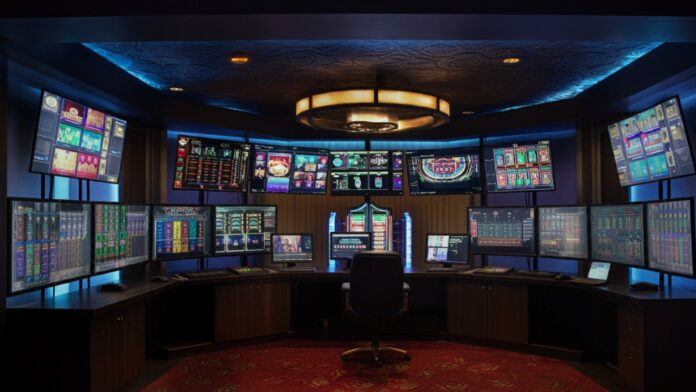
At the heart of these investments is the understanding that security is multidimensional. For physical casinos, secure infrastructure involves surveillance systems, access control mechanisms, and robust protocols for cash handling. Advanced camera systems, integrated with artificial intelligence, allow for real-time monitoring of gaming floors, identifying patterns that might indicate cheating or unauthorized activity. Motion sensors, biometric identification systems, and secure vaults ensure that both patrons and employees are operating in a controlled, transparent environment. These measures do more than prevent losses; they create an atmosphere where players feel confident that the games are fair and that their personal and financial information is safeguarded.
The digital dimension adds layers of complexity to security needs. Online casinos, mobile platforms, and hybrid environments face constant threats from hackers seeking to exploit vulnerabilities in software, intercept financial transactions, or compromise user data. Secure servers, encrypted connections, and multi-factor authentication are no longer optional—they are essential. By investing in high-grade firewalls, intrusion detection systems, and regular penetration testing, casinos can preemptively identify weaknesses before they become points of failure. Moreover, maintaining compliance with international standards, such as ISO 27001 for information security, signals to users that the platform prioritizes their protection. This combination of technological rigor and regulatory adherence reinforces player trust, which is vital in an industry where reputation is directly linked to profitability.
Another critical aspect of secure infrastructure is financial integrity. Casinos manage enormous volumes of transactions daily, both in physical chips and digital currency. A minor lapse in the accounting system can lead to substantial financial discrepancies, which can damage both the casino’s bottom line and its public perception. Advanced financial monitoring systems, real-time transaction audits, and automated reconciliation tools minimize human error while ensuring that every bet, payout, and deposit is accurately tracked. This meticulous approach to financial security demonstrates a commitment to fairness and accountability, reinforcing the confidence of high-stakes players and casual gamblers alike.
Beyond protecting assets and data, secure infrastructure also underpins operational efficiency. Casinos that integrate security systems with management platforms can streamline staffing, resource allocation, and maintenance. For example, surveillance data combined with predictive analytics can identify peak traffic patterns, enabling managers to optimize table availability, dealer scheduling, and security presence. In online environments, analytics can flag unusual betting patterns or login anomalies, allowing operators to intervene before a potential issue escalates. By embedding security into the broader operational framework, casinos not only safeguard themselves but also enhance the customer experience, which in turn fosters loyalty and repeat visits.
Employee training and internal policies are equally integral to infrastructure investment. Technology alone cannot prevent breaches if personnel are unprepared or negligent. Comprehensive training programs ensure that staff understand cybersecurity protocols, emergency procedures, and ethical standards. Access control policies, role-based permissions, and audit trails make it possible to monitor who has access to sensitive areas and information. This combination of human vigilance and technological safeguards creates a resilient security culture that reduces both external and internal risks.
Casinos also face regulatory scrutiny that demands stringent security measures. Licensing authorities, gaming commissions, and financial regulators require operators to demonstrate robust protective systems for both physical and digital environments. Noncompliance can result in fines, license revocations, or even criminal liability. By investing proactively in secure infrastructure, casinos align with regulatory expectations, mitigating legal risks and signaling reliability to both authorities and players. Regulatory compliance, therefore, becomes not just a legal necessity but a strategic advantage, enhancing the casino’s credibility in a highly competitive market.
In addition to immediate security concerns, long-term strategic planning drives infrastructure investments. The rise of technologies such as blockchain, artificial intelligence, and machine learning offers casinos the opportunity to fortify their operations while exploring innovative service models. Blockchain-based transaction ledgers provide unparalleled transparency, making it virtually impossible to manipulate betting outcomes or financial records. AI-driven monitoring systems can detect anomalies faster than traditional methods, allowing for proactive intervention. By embracing these technologies, casinos create a forward-looking security framework that adapts to evolving threats, ensuring sustainability and relevance in a fast-changing industry.
The benefits of investing in secure infrastructure extend beyond the operational and financial. Trust is a currency in itself within the gambling industry. Players are more likely to engage repeatedly with platforms that demonstrate a commitment to safety, fairness, and accountability. Word-of-mouth reputation, online reviews, and social media discussions are all influenced by perceptions of security. By visibly prioritizing infrastructure integrity, casinos not only reduce risks but also cultivate a loyal customer base that perceives the establishment as reliable and responsible.
Finally, secure infrastructure supports innovation without compromising stability. New gaming formats, cross-platform integration, and personalized experiences require robust systems capable of handling complex interactions securely. With a strong security foundation, casinos can experiment with new features, expand into new markets, and integrate emerging payment solutions without exposing themselves or their customers to unnecessary risk. This balance of innovation and security positions casinos as leaders in a highly competitive landscape, combining entertainment value with operational excellence.
In essence, the investment in secure infrastructure is a multifaceted strategy that encompasses technology, personnel, processes, and compliance. It protects financial assets, ensures regulatory adherence, enhances operational efficiency, and builds customer trust. In a sector where the margin for error is small and the consequences of lapses can be severe, these investments are not optional—they are essential. By prioritizing security, casinos safeguard not only their immediate operations but also their long-term reputation and growth, establishing a resilient foundation upon which the future of gambling can thrive.



Leave a Reply