
Handicap betting, a popular method in sports wagering, offers a distinctive approach that appeals to bettors seeking long-term engagement and strategic play. Unlike standard betting, which often relies on simple outcomes such as win, lose, or draw, handicap betting introduces a nuanced system designed to level the playing field. This system provides a virtual advantage or disadvantage to teams, which, when understood and applied correctly, allows bettors to engage with matches more analytically, reducing the influence of pure chance and promoting more consistent results over time.
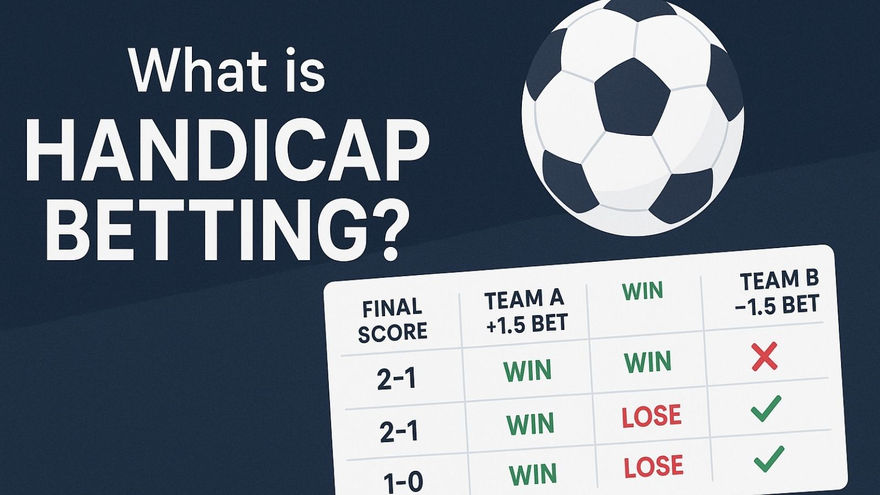
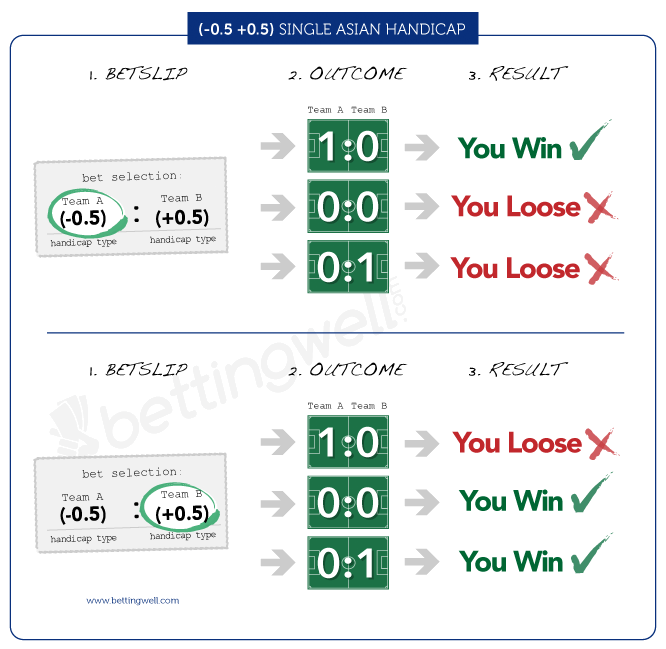
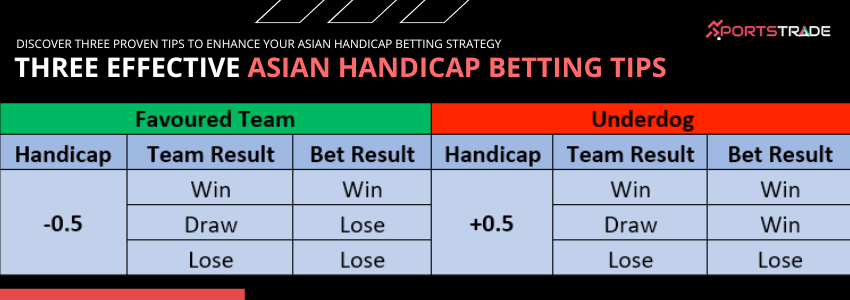
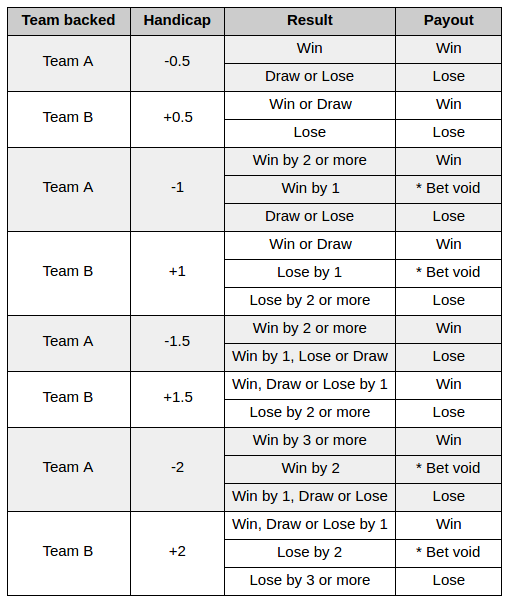
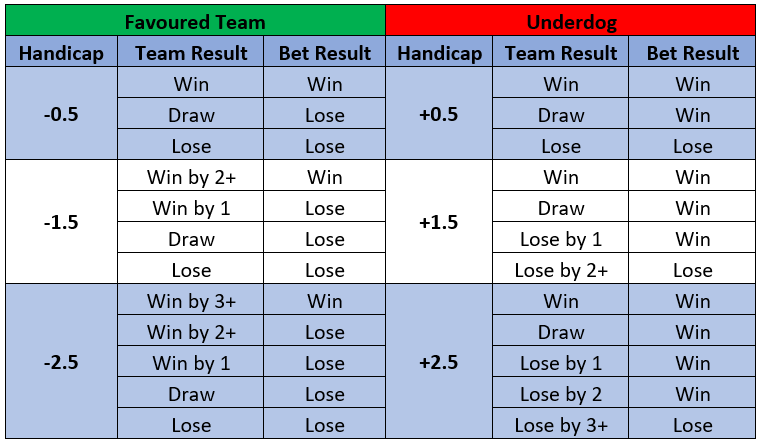
At its core, handicap betting addresses the imbalance that frequently occurs in sports contests. When a strong team faces a weaker opponent, traditional betting often results in heavily skewed odds, making it difficult to find value. By applying a handicap, the bookmaker adjusts the perceived starting point, effectively bringing the teams to a more comparable level. For example, if a football team is heavily favored, they might start with a -1.5 goal handicap, meaning they must win by at least two goals for a bet on them to succeed. Conversely, the underdog may receive a +1.5 goal advantage. This adjustment encourages deeper analysis, as bettors must consider not only who will win, but by what margin, and how the game dynamics might affect the final result.
One of the most significant ways handicap betting supports long-term play is through risk management. By narrowing the gap between favorites and underdogs, handicap markets provide more balanced odds, which helps bettors avoid extremely high-risk wagers. In traditional betting, consistently choosing favorites with low odds may yield frequent small wins but leaves little room for long-term growth, while betting on underdogs with long odds is more volatile and often results in losses. Handicap betting mitigates this issue by offering more moderate odds on both sides of the line, which allows bettors to pursue a sustainable approach over an extended period. This moderation encourages disciplined betting habits, as players are less likely to be swayed by the temptation of a quick, high-reward bet.
Additionally, handicap betting requires a more analytical mindset, which is essential for long-term success. Bettors must evaluate multiple factors, such as team form, historical performance, player availability, tactical approaches, and even psychological influences. This deeper engagement fosters a more thoughtful betting strategy and discourages impulsive decisions based purely on emotion or team loyalty. Over time, consistently applying analytical thinking helps bettors refine their predictive skills, identify value in the markets, and make better-informed wagers. This cumulative improvement in betting strategy is a critical component of sustainable long-term play.
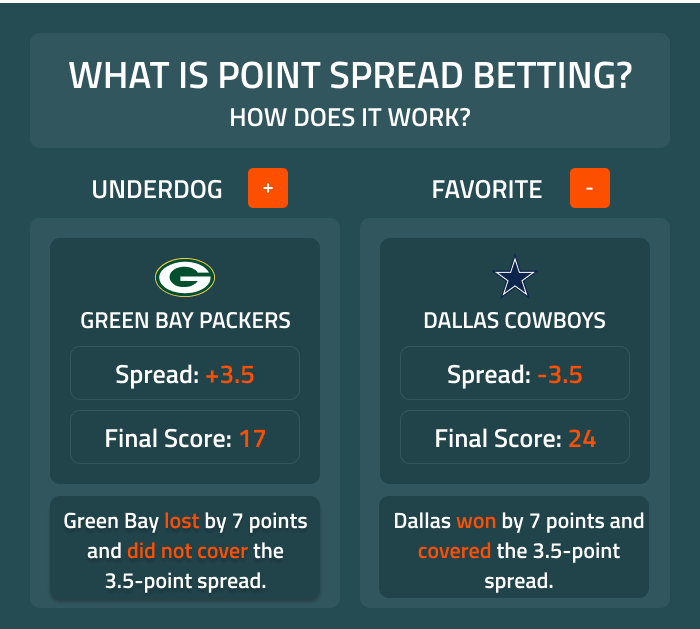
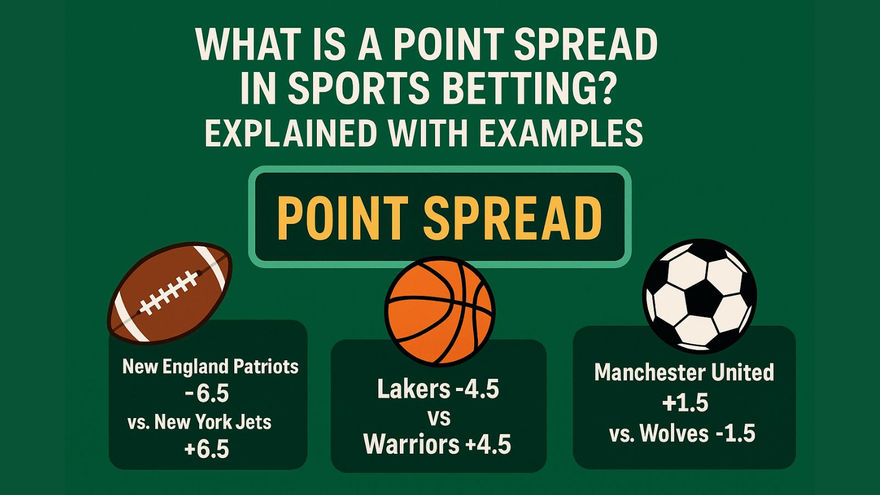
Another aspect that makes handicap betting conducive to long-term engagement is the variety it offers. Different types of handicap markets, such as Asian handicaps or point spreads, introduce multiple layers of complexity, catering to bettors with varying levels of expertise. Asian handicaps, for instance, can eliminate the possibility of a draw, creating a binary outcome that simplifies some calculations while still requiring strategic insight. Meanwhile, more granular handicaps, including quarter-goal adjustments, enable highly precise predictions that reward meticulous research and risk assessment. This variety keeps the betting experience engaging and intellectually stimulating, reducing the likelihood of burnout and promoting consistent participation over time.
Handicap betting also enhances bankroll management, another critical factor in long-term play. By providing odds that more accurately reflect the adjusted probabilities of match outcomes, bettors can place wagers that align with their risk tolerance and strategic plan. Instead of making large bets on risky outcomes or being forced to chase losses, bettors can structure their staking patterns around calculated expectations. This disciplined approach reduces the likelihood of catastrophic losses, allowing a bankroll to grow steadily, even in a market where unpredictability is inherent. Over time, this careful management ensures that bettors remain active participants without compromising financial stability.
Moreover, handicap betting encourages continuous learning and market awareness. Because outcomes are influenced by subtle factors such as goal margins, game tempo, and head-to-head history, bettors must stay informed about the latest developments in their chosen sports. This constant engagement with news, statistics, and expert analysis not only improves betting performance but also strengthens the connection to the sport itself. The integration of real-world insights with strategic wagering makes the betting experience more immersive and rewarding, fostering long-term interest and commitment.
The strategic advantages of handicap betting are further reinforced by the psychological benefits it provides. By emphasizing skill, research, and disciplined risk management, this type of betting reduces the impact of luck and reinforces the perception of control. Bettors are more likely to experience satisfaction from well-considered decisions, rather than relying on chance alone. This positive feedback loop promotes responsible betting behavior and reduces impulsive choices, both of which are crucial for sustaining participation over months and years.
In addition, handicap betting allows for better adaptation to different sports and competition levels. From football and basketball to rugby and tennis, the principles of handicap adjustments can be applied to a wide range of events, offering consistent betting opportunities throughout the year. This adaptability ensures that bettors are not limited to short seasonal peaks but can maintain a continuous betting routine, reinforcing long-term engagement.
Ultimately, handicap betting’s combination of balanced risk, strategic depth, analytical demands, and adaptability makes it a preferred choice for bettors seeking longevity. By promoting disciplined decision-making, careful bankroll management, and continuous learning, it encourages a sustainable approach that minimizes the reliance on luck and maximizes the value of skill. For those committed to a thoughtful and strategic betting practice, handicap betting offers a framework that supports consistency, intellectual engagement, and long-term enjoyment, making it an enduring favorite in the world of sports wagering.


Leave a Reply